
Rethinking Waste Management: How Sports Bodies are Delivering More Responsible Events
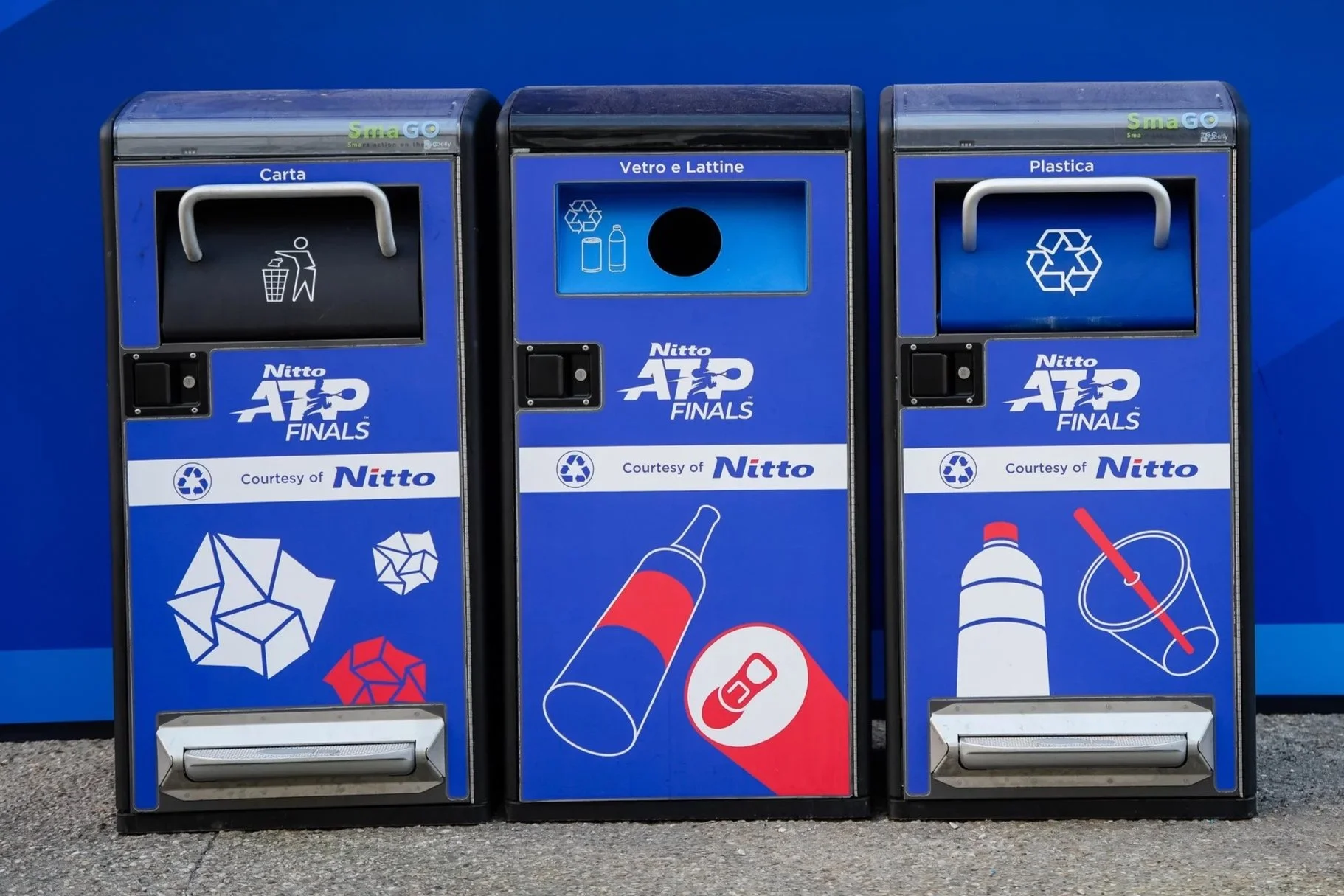
Photo Credit: Federazione Italiana Tennis e Padel
Global attention to waste management is growing, alongside increasing efforts to address the challenge. Approximately 1 billion tonnes of edible food is wasted annually, while estimates suggest that the world generates over 2 billion tonnes of solid waste per year, of which just one-third is processed in an environmentally responsible manner. Urgent, coordinated action is needed to increase the proportion of responsibly managed waste globally.
While global waste management challenges extend beyond the remit of sports stakeholders, their role in managing large-scale events that generate significant volumes of waste means they retain responsibility for managing disposal and ensuring raw material usage is minimised.
Developing High-Impact Waste Management Strategies
Enovation Consulting offers data-driven, practical waste management solutions and strategies for sports stakeholders. The development and implementation of these strategies with clients is carried out by a dedicated team, including Senior Sustainability Manager Katia Costantino, who brings over a decade of experience in the live events sector.
Commenting on the task of managing waste at large-scale events, Katia said: “Achieving meaningful reductions in waste generation and increasing recycling rates remains one of the most significant challenges in overall event management onsite. Success depends on sharing knowledge among experts and raising awareness across all stakeholders — from production teams to attendees, and from staff to athletes and players. Everyone must play an active role in the process and take responsibility for placing sustainability at the core of the event.”
High-impact waste management strategies are already being rolled out across the sports industry – from motorsport to tennis to football and beyond.

Picture Credit: Zack Rowlandson
Finale Coppa Italia
At the Finale Coppa Italia Frecciarossa 2025, the event organisers Lega Calcio Serie A adopted the 4R principle (Reduce, Reuse, Recycle, Recover) in line with UEFA Circular Economy Guidelines to ensure efficient waste management practices were implemented across the event held at the world-famous Stadio Olimpico in Rome.
Sustainable and recyclable materials were used in bar areas, while recycling points were set up throughout the event area, equipped with clear, detailed signage to minimise contamination between waste types. Recycling collection points also enhanced sorting efficiency and ensured correct recycling processes.
Surplus food was then donated to Caritas Roma, a Rome-based charity that provides essential provisions, such as shelter, food aid, and social assistance for disadvantaged and vulnerable people.
Nitto ATP Finals
Federazione Italiana Tennis e Padel (FITP), the organisers of the Nitto ATP Finals held in Turin, implemented a multifaceted, innovation-led waste management strategy at the year-end climax to the ATP Tour season.
At the 2024 tournament, technological waste management solutions were exhibited throughout the event, including solar-powered recycling bins provided by title partner Nitto, alongside eco-compactors, which improve plastic recycling efficiency. In total, FITP achieved a 42% recycling rate at the event.
Silverstone
At Silverstone Circuit, the home of the Formula 1 British Grand Prix, a 58% recycling rate was achieved at the 2025 event.
No single-use plastic is sold on-site at the circuit, with all disposable containers either recyclable or compostable. In addition, a vast waste management network consisting of thousands of bins, food waste collection points, glass recycling depositories, and compactors located across the site ensures that the hundreds of thousands of spectators who attend the iconic race every year can responsibly dispose of their waste with ease.
Yas Marina Circuit
Given its location in a highly water-stressed region, Ethara, the operators of Yas Marina Circuit and the Formula 1 Abu Dhabi Grand Prix implemented a comprehensive waste management strategy that combined material reduction and improved water conservation at the 2025 event, including:
More than 270,000 water cans provided for staff and guests to reduce single-use plastic consumption;
Implementation of the Again, Please reusable cup programme. The cups were distributed across Yas Marina Circuit, with dedicated collection points and incentive schemes designed to help drive participation and awareness. The cups were then collected for washing, sanitisation, and reuse at future events. Made from polypropylene, Again, Please cups can be washed up to 500 times before being recycled. Its rollout at the 2025 Abu Dhabi Grand Prix was a regional first for events on this scale;
More than 55 indoor and outdoor water dispensers were placed around the circuit to reduce waste and encourage efficient water consumption. Water was produced using air-to-water technology to generate more than 65,000 litres of mineralised water per day, eliminating the need for more than 130,000 half-litre plastic bottles daily.
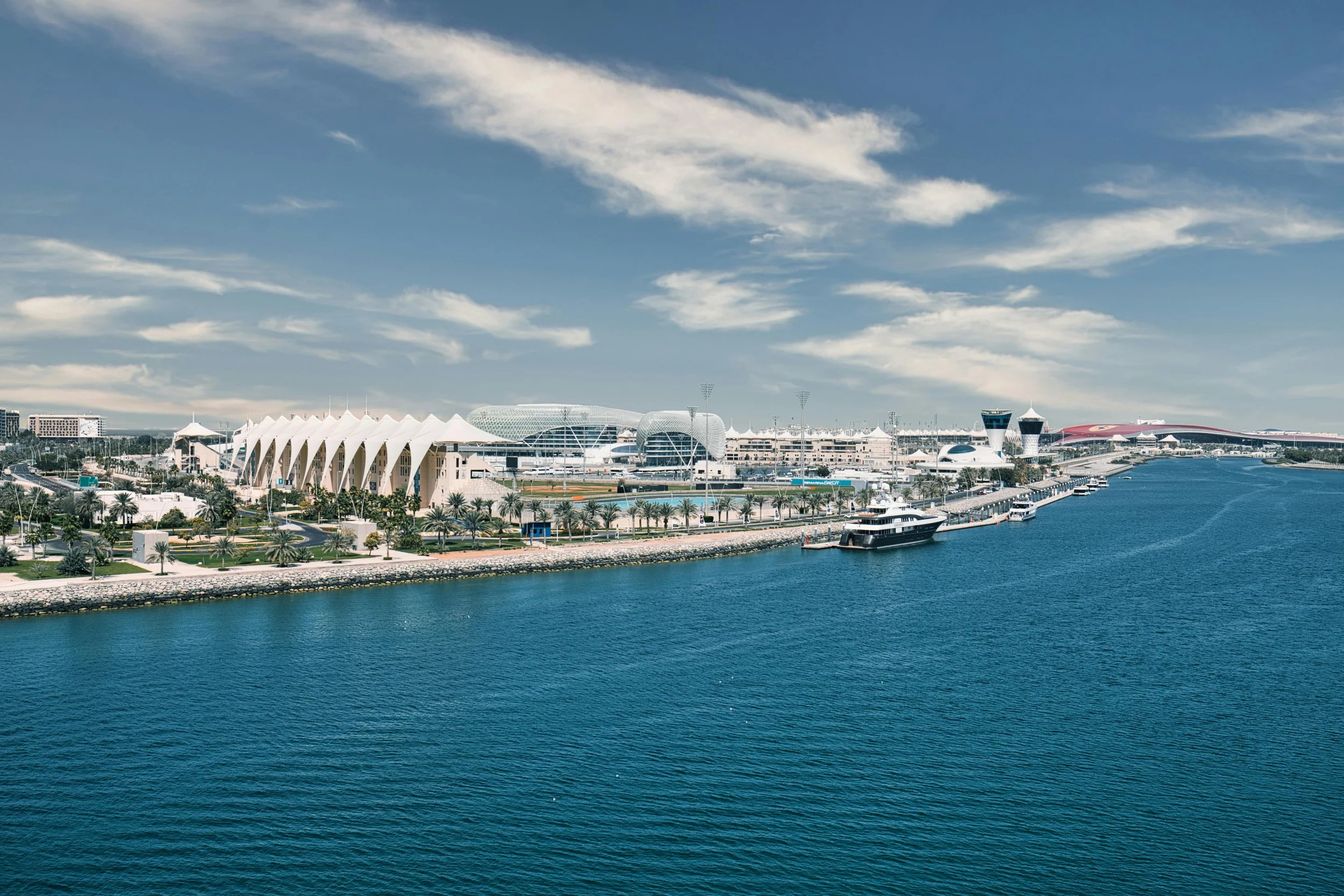
Photo credit: Kevin Vilacruz
Waste management efforts were further strengthened with 150 dedicated bins for reusable and paper cups, 40 bins for cans, and 70 food waste bins across both front- and back-of-house areas, with surplus food donated to local charities.
Waste Management Takes Centre Stage
Concerted, structured action to reduce waste volumes and improve waste management processes is being pursued by a range of sports stakeholders. While in previous years, responsible waste management may have been an afterthought to the sporting drama unfolding at events, it now takes centre stage as a critical facet of operations.
The sports industry can also catalyse action across the wider events industry and collaborate with other sectors, including festivals, cultural events, and corporate conferences, to advance best practices and improve waste management outcomes at large-scale gatherings.