
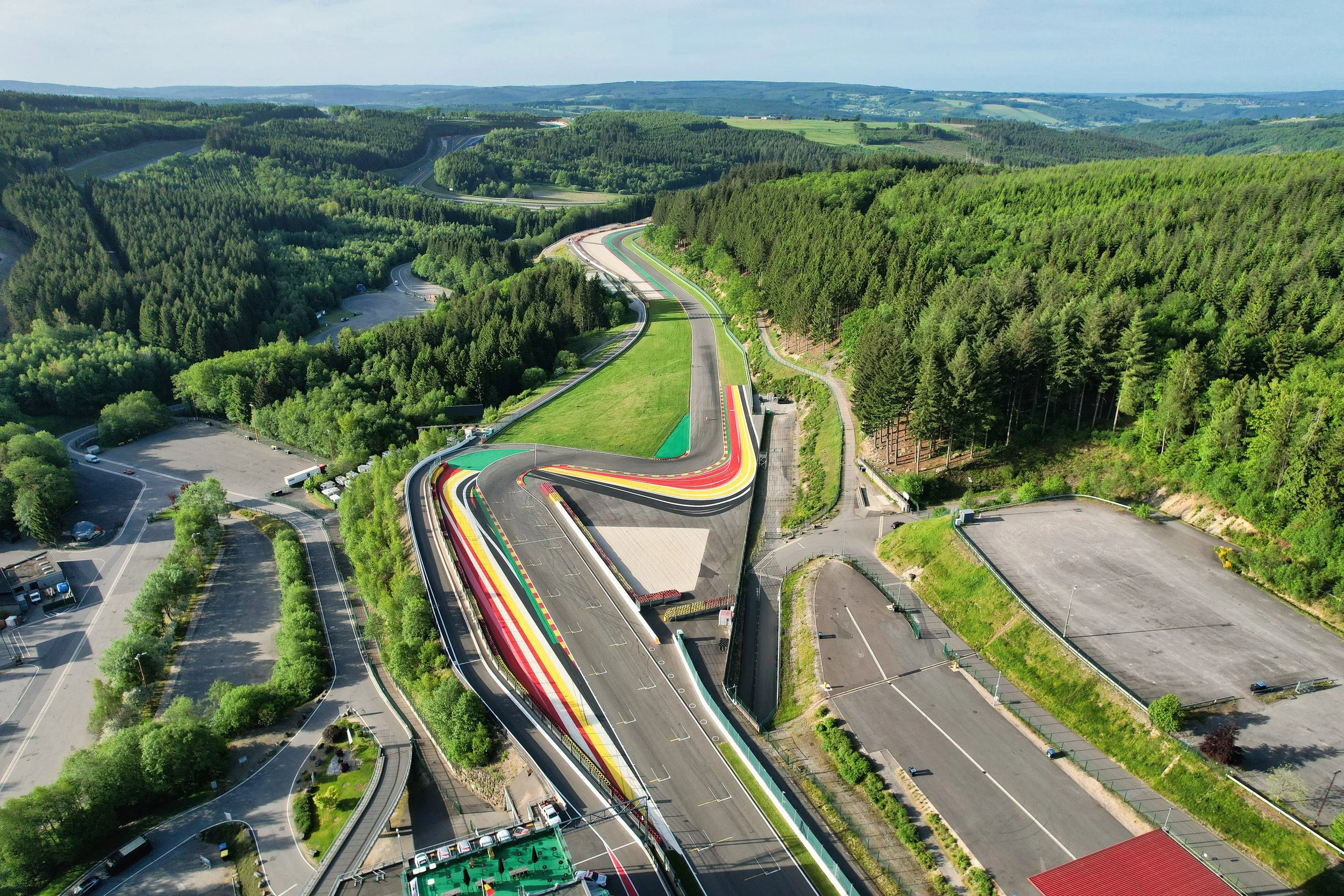
Photo Credit: Spa-Francorchamps Circuit
Few racing circuits in the world blend heritage and natural beauty quite like the Circuit de Spa-Francorchamps. Set in the picturesque Ardennes region, its dramatic elevation changes and iconic, unforgiving corners, such as Eau Rouge and Raidillon, have tested generations of drivers and defined decades of racing history.
Yet beyond the thrill of the track, a quieter transformation is taking place. The Circuit is embedding sustainability into its operations and infrastructure, reimagining its place in a new era of motorsport - one where innovation, responsibility, and environmental care define success both on and off the track.
Enovation Consulting spoke with Olivier Schmetz, Spa-Francorchamps’ Manager of Public Affairs, Environment and Governance, to discover more about how the legendary Circuit is turning its ESG commitments into measurable impact.
A Holistic Approach to ESG
For Spa-Francorchamps, sustainability has evolved into a company-wide mindset. “Over the last few years, sustainability has become part of our culture,” says Schmetz. “It influences everything from infrastructure projects to our daily routines.”
The Circuit’s ESG strategy focuses on three key areas: protecting the natural environment, reducing energy and water use, and embedding sustainable practices into everyday work. The strategy even extends beyond motorsport: on the one hand, diversifying the track’s use to include running and cycling and on the other hand, enhancing innovation around the Circuit.
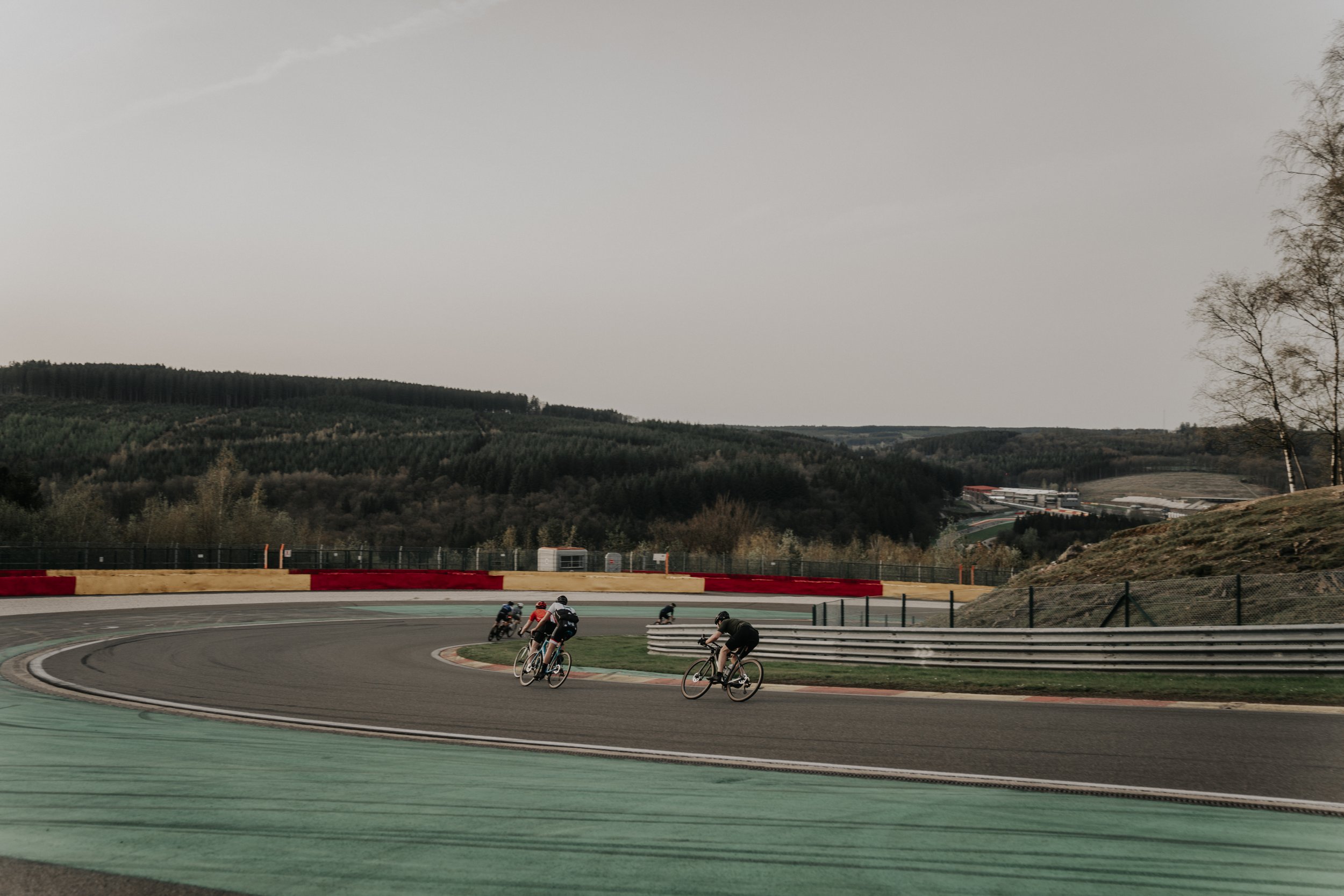
Credit: Spa-Francorchamps Circuit
For example, the launch of professional car simulators and the development of infrastructure and services in collaboration with key players in the motorsport industry. These initiatives have not only improved resource efficiency but also supported the Circuit’s financial health — demonstrating that environmental conservation and economic performance can go hand in hand.
Protecting Nature and Reducing Impact
Surrounded by forest and streams, Spa’s environmental responsibilities are both unique and essential to preserving the natural assets that define its identity.
Schmetz acknowledges that “the coexistence of a site that can attract up to 380,000 people over a weekend and the protection of biodiversity does not seem natural.” To bridge this gap, the Circuit has turned to education and community engagement — partnering with conservation NGO Natagora to map local biodiversity and launch the Circuit’s Adventure Trail, which helps visitors connect with the surrounding woodland and wildlife.

Credit: Spa-Francorchamps Circuit
Spa’s team also takes part in an annual public clean-up initiative across the Walloon Region, reinforcing its commitment to reducing waste — a “priority for the Circuit.” Schmetz adds that “communication is essential,” noting that future events will place even greater emphasis on encouraging behavioural change around waste management. However, all these practical measures require the complete cooperation of all stakeholders, primarily the organisers, teams and spectators.
Further environmental protection measures include major investments in drainage systems, oil separators, and wastewater treatment, which have significantly improved the quality of local river water.
Resource efficiency is another focus. Ageing buildings are being renovated with heat pumps, LED lighting, and improved insulation, while seasonal “winterisation” reduces off-season energy use. Water-saving measures and leak detection systems help cut consumption, and plans are in place to expand renewable energy through photovoltaic panels — once grid capacity allows.
Culture, Community, & Innovation
At Spa, sustainability extends beyond infrastructure to people and community. “All our teams now incorporate sustainability into their daily work,” says Schmetz. “Everyone has a role to play.”

Credit: Spa-Francorchamps Circuit
Noise monitoring systems, installed both trackside and in nearby villages, provide transparency and help maintain trust with local residents. The Circuit has not received a single noise complaint in the past two years, a reflection of its proactive engagement and annual dialogue with the community.
To reduce fan-related emissions, Spa partners with the Walloon Region’s public transport operator to provide shuttles and discounted train travel during major events such as the Formula 1 Grand Prix, making low-carbon mobility more accessible for spectators.
Looking ahead, Spa aims to build on this momentum. Through projects such as the Virtex Simulation Centre and hydrogen vehicle prototype testing with H24, the Circuit is positioning itself as a living laboratory for sustainable innovation. “As a historic circuit, we want to contribute to the future of motorsport,” Schmetz reflects. “The challenge now is to bring everyone with us — to make sustainability a shared commitment.”